

The Fire Cider 30 are a group of small-scale herbalists, farmers, and wellness businesses that received trademark enforcement notices related to their use of the term Fire Cider. These communications came in various forms, including cease-and-desist letters, direct emails, marketplace complaints, and trademark infringement claims.
Many of these individuals had been making and selling traditional Fire Cider recipes long before they became aware of the trademark dispute. Their stories helped bring national attention to the broader conversation surrounding ownership of traditional herbal terminology.
Real Stories from the Community
Over the years, members of the herbal community shared their experiences after being contacted regarding the use of the term Fire Cider in product names, descriptions, tags, or marketing materials.
Examples included:
- Small herbal businesses receiving notices through online marketplaces.
- Producers being asked to remove or rename products.
- Etsy sellers contacted over the use of “Fire Cider” in product tags and descriptions.
- Herbalists who created alternative names for their products while continuing to support the movement to keep traditional herbal terms in the public domain.
These stories became an important part of the Tradition Not Trademark campaign and demonstrated how trademark enforcement affected independent makers across the United States.
A Community Response
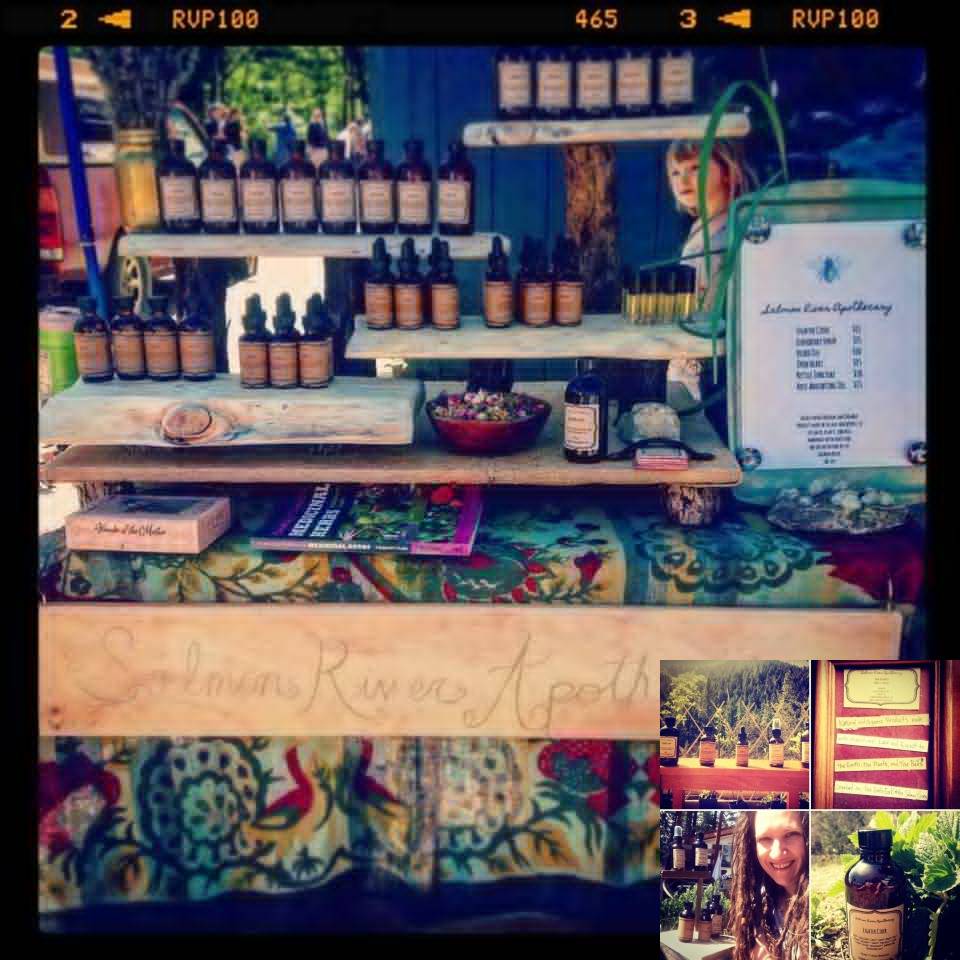
Many producers chose to publicly share their experiences and responses. Their messages often reflected common themes:
- Support for traditional herbal knowledge.
- Respect for the history of Fire Cider as a folk remedy.
- Concern about the trademarking of a long-established community term.
- A desire to protect access to traditional herbal practices for future generations.
Some business owners wrote detailed responses explaining their personal journeys as herbalists, farmers, artisans, and small business owners. These stories highlighted the passion, hard work, and dedication behind the products they created and the communities they served.
Why These Stories Matter
The experiences of the Fire Cider 30 helped unite herbalists, educators, farmers, and consumers around a shared cause. Their voices played an important role in raising awareness about the trademark dispute and helped inspire widespread support for keeping the term Fire Cider available for everyone to use.
Today, their stories remain an important reminder of the power of community action and the importance of protecting traditional herbal knowledge from private ownership.
Preserving Herbal Traditions
The Free Fire Cider movement is about more than a single product name. It represents a commitment to preserving traditional remedies, honoring the generations of herbalists who shared their knowledge freely, and ensuring that common folk traditions remain accessible to all.
The courage of these small businesses helped shape a movement that continues to advocate for herbal traditions, community knowledge, and the free use of the term Fire Cider.